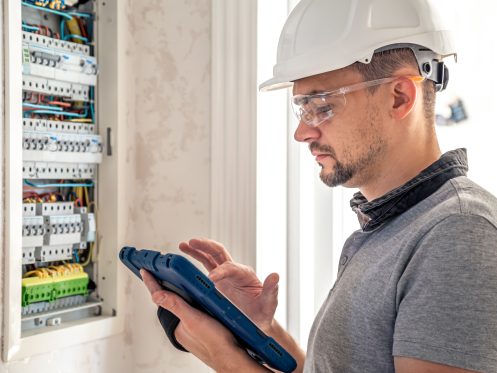
What can cause a home to fail an electrical inspection?
A home can fail an electrical inspection because of safety hazards or electrical code violations, including faulty wiring, missing GFCI or AFCI protection, improper grounding, overloaded circuits, exposed electrical connections, missing cover plates, or non-compliant electrical materials. Correcting these issues helps ensure the electrical system meets current safety requirements.
What Are the Most Common Reasons an Electrical Inspection Fails?
Electrical inspections verify that a home’s electrical system meets current safety standards and electrical code requirements. If an inspector finds conditions that increase the risk of fire, electric shock, or equipment failure, the home may not pass until those issues are corrected.
Common reasons for a failed inspection include:
-
Exposed, frayed, or damaged wiring
-
Loose electrical connections
-
Improper wire sizing
-
Missing or defective GFCI protection
-
Missing AFCI protection where required
-
Overloaded circuits
-
Missing cover plates
-
Improper grounding and bonding
-
Unapproved electrical materials or installation methods
Addressing these problems helps improve the safety and reliability of the electrical system before a reinspection.Set featured image
How Do Wiring, Panels, and Safety Devices Affect an Inspection?
Faulty wiring is one of the most common reasons homes fail electrical inspections. Wiring should be properly secured, protected, and connected using approved installation methods. Damaged insulation, exposed conductors, loose connections, improper splices, or incorrect wire sizes may all create safety concerns.
Electrical panels are another frequent source of inspection failures. Problems may include overcrowded breaker panels, improper breaker labeling, loose wiring, outdated panels, or incorrect breaker installation. While an older panel does not automatically fail an inspection, unsafe conditions or improper modifications may prevent it from meeting current requirements.
Protective devices are equally important. GFCIs help reduce shock hazards in areas exposed to moisture, while AFCIs help detect dangerous electrical arcing caused by damaged wiring or loose connections. Proper grounding and bonding also help safely direct fault current and reduce electrical hazards.
For homeowners in Mt. Pleasant, maintaining safe wiring, properly functioning protective devices, and a well-maintained electrical panel can improve the likelihood of passing an inspection.
Can DIY Electrical Work Cause an Inspection Failure?
Yes. DIY electrical work frequently causes inspection failures when installations do not follow accepted electrical codes or safe wiring practices.
Common examples include:
-
Improper wire splices
-
Incorrectly installed outlets or switches
-
Exposed electrical connections
-
Unsecured wiring
-
Using fixtures as junction boxes
-
Missing junction box covers
-
Unapproved electrical components
Even if electrical work appears to function normally, it may still contain safety or code issues that an inspector will identify. Homes in Mt. Pleasant that have undergone renovations or additions may benefit from having previous electrical work evaluated before scheduling an official inspection.
A home may also fail an inspection because of several smaller issues rather than one major defect. Correcting these concerns before the inspection can help the electrical system better meet current safety requirements.
FAQ
Can outdated wiring cause an electrical inspection to fail?
Yes. Older or damaged wiring may not meet current safety standards and can increase the risk of fire or electric shock, making it a common reason for inspection failure.
Why are missing outlet cover plates an inspection problem?
Missing cover plates expose energized electrical components, creating a potential shock hazard and preventing the installation from meeting current electrical safety requirements.
Can overloaded circuits fail an electrical inspection?
Yes. Overloaded circuits can overheat, trip breakers frequently, and create potential fire hazards. Inspectors look for circuits that exceed their intended electrical capacity.
Will improper grounding cause an inspection failure?
Yes. Proper grounding and bonding help protect people and equipment from dangerous electrical faults. Missing or improperly installed grounding is a common electrical safety concern.
What can cause a home to fail an electrical inspection?
A home can fail an electrical inspection if it has safety hazards or electrical code violations, such as faulty wiring, missing GFCI or AFCI protection, improper grounding, overloaded circuits, or exposed electrical connections. In Mt. Pleasant, correcting these issues helps ensure the electrical system meets current safety requirements.
Conclusion
A home can fail an electrical inspection because of faulty wiring, overloaded circuits, missing GFCI or AFCI protection, improper grounding, unsafe electrical panels, or electrical work that does not comply with current safety requirements. Identifying and correcting these issues helps improve the safety and reliability of the electrical system.