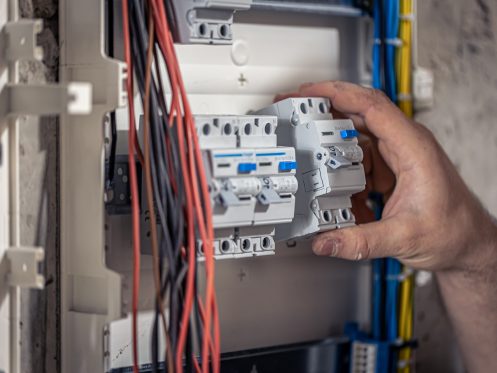
What are five electrical safety rules?
Five essential electrical safety rules are to disconnect power before beginning work, inspect cords and equipment for damage, keep electricity away from water, avoid overloading outlets, and use appropriate ground-fault protection in wet areas. Following these precautions helps reduce the risk of electrical shock, fires, equipment damage, and other preventable hazards.
What Are the Five Essential Electrical Safety Rules?
Electrical safety begins with recognizing that even familiar devices and routine tasks can create serious hazards when basic precautions are overlooked. The following five rules apply to many common situations in homes, workplaces, garages, and outdoor areas.
1. Disconnect Power Before Performing Electrical Work
Always disconnect the power before inspecting, repairing, cleaning, or replacing an electrical device or component. Depending on the task, this may mean unplugging equipment or turning off the appropriate circuit breaker.
Do not assume that flipping a wall switch makes wiring safe to handle. A switch may stop a fixture from operating while electrical voltage remains present elsewhere in the circuit. Before touching wiring, a qualified electrician uses suitable testing equipment to confirm that the circuit is de-energized.
2. Inspect Cords and Equipment for Damage
Check electrical cords, plugs, tools, appliances, and extension cords before use. Warning signs include:
-
Cracked, melted, or frayed insulation
-
Exposed conductors
-
Bent or loose plug blades
-
Scorch marks or discoloration
-
Unusual heat, odors, or buzzing
-
Damaged equipment housings
Stop using damaged electrical equipment until it has been properly repaired or replaced. Tape should not be treated as a permanent solution for a deteriorated power cord. Damage that appears minor can expose energized components or allow heat to build up.
3. Keep Electricity Away From Water
Water and electricity are a dangerous combination because moisture can increase the likelihood of electrical current traveling through a person or an unintended path. Keep plugged-in devices, extension cord connections, chargers, and portable equipment away from sinks, tubs, pools, puddles, and wet surfaces.
Never handle electrical equipment with wet hands. Outdoor tools should be rated for their intended environment, and connections should be protected from rain and standing water. If equipment becomes wet, disconnect power safely rather than touching or moving it while it may still be energized.
4. Avoid Overloading Outlets and Circuits
Plugging too many devices into one outlet, power strip, or extension cord can cause excessive heat. Overloading may also lead to repeated breaker trips, damaged receptacles, or an increased fire risk.
Power strips provide additional connection points, but they do not automatically increase the electrical capacity of a circuit. High-demand appliances and equipment may require dedicated circuits. Extension cords should be used only as intended and should have an appropriate rating for the connected load and environment.
5. Use Ground-Fault Protection in Wet Areas
Ground-fault circuit interrupter protection is designed to shut off power quickly when it detects current traveling along an unintended path. Appropriate ground-fault protection is especially important around kitchens, bathrooms, garages, outdoor receptacles, and other areas where moisture may be present.
A GFCI receptacle or breaker should be tested according to its instructions. If it will not reset, trips repeatedly, or shows signs of damage, the underlying issue should be evaluated instead of bypassing the protection.
Why Do These Electrical Safety Rules Matter?
These rules address common causes of shock, burns, electrical fires, and equipment damage. In practical terms, electrical safety means controlling energy before work begins, removing damaged equipment from service, preventing contact with moisture, respecting circuit capacity, and using protective devices where hazards are greater.
The rules also help people recognize when a situation has moved beyond a simple precaution. For example, one breaker trip may result from a temporary overload, but repeated trips can indicate a circuit problem, damaged device, or wiring defect. Similarly, a warm outlet, burning odor, visible sparking, or buzzing sound should not be dismissed as normal.
When Should You Call an Electrician?
Basic safety checks do not replace professional electrical work. Contact a qualified electrician when a problem involves fixed wiring, electrical panels, repeated breaker trips, damaged receptacles, exposed conductors, persistent flickering, overheating, or signs of burning.
In Bluffton, outdoor electrical equipment may also be exposed to moisture and changing weather conditions. Cracked covers, corroded components, damaged wiring, or unprotected connections should be evaluated before the equipment is used again.
An electrical contractor can identify the source of a problem, determine whether the circuit and protective devices are appropriate, and complete necessary work safely. For commercial properties, a commercial electrician can also assess equipment connections, high-use circuits, and recurring electrical issues that may affect daily operations.
Comparing electrical companies should involve more than selecting someone who can make a device work again. The electrician should be qualified to inspect the complete condition, explain the concern clearly, and recommend work suited to the property and equipment.
FAQ
Should I reset a breaker that keeps tripping?
A breaker may be reset once after connected loads are reduced. If it trips again, stop resetting it and have the circuit evaluated by a qualified electrician.
Can I repair a damaged extension cord with electrical tape?
Electrical tape is not a reliable permanent repair for a damaged extension cord. Remove the cord from service and replace it with one properly rated for the intended use.
Where is ground-fault protection commonly needed?
Ground-fault protection is commonly used in areas where electricity may encounter moisture, including bathrooms, kitchens, garages, outdoor spaces, and other wet or damp locations.
What electrical warning signs require professional attention?
Repeated breaker trips, burning odors, buzzing, sparks, hot outlets, discoloration, exposed wiring, and persistent flickering are signs that an electrical contractor should inspect the system.
What are five electrical safety rules?
Five essential electrical safety rules are disconnect power before work, inspect cords and equipment for damage, keep electricity away from water, avoid overloading outlets, and use appropriate ground-fault protection in wet areas. In Bluffton, damaged wiring, repeated breaker trips, or unsafe outdoor equipment should be handled by a qualified electrician rather than ignored.
Conclusion
The five essential electrical safety rules are straightforward: disconnect power, inspect equipment, avoid water, prevent overloads, and use appropriate ground-fault protection. Consistently following them can help prevent common electrical hazards and reveal problems that require professional attention.
If you notice damaged wiring, repeated breaker trips, unsafe outdoor equipment, or another electrical concern in Bluffton, Arc Angel Electric can provide a professional evaluation and recommend an appropriate next step for your home or commercial property.