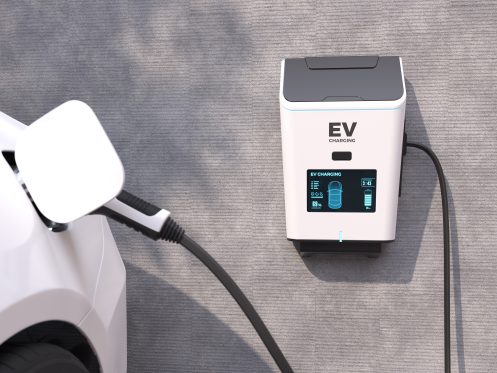
Is a standard 240V outlet suitable for EV charging?
Yes, a standard 240V outlet can be suitable for EV charging when it is connected to a properly installed 240V circuit. Homeowners in Cumming, Georgia can choose between a plug-in EV charger that uses the outlet or a hardwired charger that is permanently connected to the electrical system.
How Does a 240V Outlet Support EV Charging?
A 240V outlet provides significantly more power than a standard 120V household outlet, making it a practical option for electric vehicle charging. Many EV owners choose a Level 2 charging setup that operates on a 240V circuit because it can charge a vehicle more efficiently than a standard wall outlet.
When a dedicated 240V circuit is available, the charging equipment can deliver higher power levels to the vehicle, reducing charging times compared to lower-voltage options. This makes overnight charging more convenient and allows drivers to start each day with a charged battery.
For homeowners in Cumming, Georgia, installing a dedicated 240V circuit is often one of the first steps when preparing a home for electric vehicle ownership.
Should You Choose a Plug-In or Hardwired EV Charger?
Once a 240V outlet is installed, there are typically two options for connecting EV charging equipment.
Plug-In EV Chargers
A plug-in charger connects directly to the 240V outlet, similar to how large appliances use dedicated outlets. This option offers flexibility because the charger can be disconnected or replaced without modifying the electrical wiring.
Some homeowners prefer plug-in chargers because they may be easier to relocate if they move or upgrade their charging equipment in the future.
Hardwired EV Chargers
A hardwired charger is permanently connected to the electrical system without using a receptacle. This creates a dedicated charging installation that remains fixed in place.
Hardwired units can provide a clean, streamlined appearance and eliminate the need for a plug connection. Depending on the charging equipment and electrical setup, some homeowners find a hardwired installation better suited to their long-term charging needs.
An experienced electrician can help determine which option makes the most sense based on the home’s electrical capacity and the vehicle’s charging requirements.
What Should Be Considered Before Using a 240V Outlet for EV Charging?
While a standard 240V outlet can support EV charging, several factors should be reviewed before installation.
Circuit Capacity
The electrical circuit must be designed to handle the charging load safely. A dedicated circuit is commonly used so that the charger does not share power with other household devices.
Charger Compatibility
Not all charging equipment uses the same plug configuration or power requirements. It’s important to confirm that the charger and outlet are compatible before installation.
Professional Installation
A properly installed circuit helps ensure that wiring, breakers, and connections are suitable for the intended charging equipment. Homeowners in Cumming, Georgia often work with a qualified electrician to evaluate their electrical panel and determine whether any upgrades are needed.
Why Professional Evaluation Matters
Electric vehicle charging places a continuous demand on a home’s electrical system. Even if a property already has a 240V outlet, that outlet may not have been designed specifically for EV charging.
A professional assessment can verify whether the existing circuit is appropriate or whether modifications are needed. This helps ensure that the charging equipment operates as intended and aligns with electrical code requirements.
In many cases, the core answer remains the same: a standard 240V outlet can be an effective solution for EV charging when the circuit is properly configured and matched to the charging equipment being used.
FAQ
Can I charge an EV using a regular household outlet instead of a 240V outlet?
Yes, many EVs can charge using a standard household outlet, but charging is generally slower than with a dedicated 240V circuit.
Do all EV chargers work with a 240V outlet?
No. Chargers have different power requirements and plug types, so compatibility should be verified before installation.
Is a dedicated circuit necessary for EV charging?
Many EV charging installations use a dedicated circuit to provide sufficient power and avoid sharing electrical capacity with other devices.
Can an existing 240V outlet be used for an EV charger?
Possibly. A qualified electrician can determine whether the existing outlet and circuit are suitable for the intended charging equipment.
FAQ:
Conclusion
A standard 240V outlet can be suitable for EV charging when the circuit is properly installed and matched to the vehicle’s charging equipment. Homeowners can choose between a plug-in charger that uses the outlet or a hardwired charger that is permanently connected to the electrical system.
If you’re considering EV charger installation or evaluating your home’s electrical capacity in Cumming, Georgia, contact Arc Angel Electric to speak with a qualified electrician about your home’s charging needs.